
Discover the key factors to consider when choosing eco-friendly pest control for your home. Learn what homeowners need to know to protect the environment and their families.

7 Eco-friendly Methods for Maintaining a Pest-Free Home
Discover 7 eco-friendly methods to keep your home pest-free. Learn how to maintain a healthy and safe environment using sustainable pest control techniques.
Addressing and Preventing Pest-Related Issues Promptly: A Landlord’s Guide
Learn how to address and prevent pest-related issues as a landlord with this comprehensive guide. Take effective steps to maintain a pest-free property.
Effective Pest Control in Commercial Kitchens: 10 Essential Tips
Discover 10 essential tips for effective pest control in commercial kitchens. Keep your kitchen clean, safe, and pest-free with these expert tips.

Simple Ways to Prevent Pest Infestations in Your Restaurant
Discover easy methods to prevent pest infestations in your restaurant. Protect your business and keep it pest-free with these simple and effective tips.
Achieving Tenant Satisfaction: The Role of Adequate Pest Control
Learn the importance of adequate pest control in achieving tenant satisfaction. Discover tips for effective pest control to ensure a happy and comfortable living environment.

10 Sure Signs You Have Rodents In Your House
Rodents—those small, agile, and not-so-adorable creatures that often evoke images of chaos, speed, and the urge to jump on chairs in classic cartoon fashion. Unfortunately, in real life, the presence of these critters is no laughing matter. Rodents in your home can lead to potential health hazards, and property damage, and are a sign that some form of prevention or intervention is necessary. This blog post aims to arm you with the knowledge to identify whether you have a rodent problem in your residence. We’ll explore the ten telltale signs that these uninvited housemates have set up camp and are potentially causing issues that could range from benign to severe. 1. Sighting Stray Rodents One of the most immediate ways to recognize a rodent’s presence is by actually spotting one. Mice and rats are nocturnal, which means they are more active during the night. If you happen to see one scurrying across your kitchen floor, or darting into a hole in the wall, it’s safe to assume more are hiding elsewhere in your home. It’s not the only sign, but it’s certainly a critical cue to action. What to do: If you spot a rodent, don’t ignore it. Set up some traps near the sighting to gauge the extent of the infestation and consider professional pest control. 2. Skittering Sounds at Night You can also “see” rodents with your ears. The skittering of tiny paws across the floor and the scratching within walls or ceilings is a characteristic, and often terrifying, sound that could signal a rodent’s presence. What to do: Listen closely at night and trace any unusual sounds. The areas rodents have infested often include the attic, basement, and inside walls. 3. Droppings in Discreet Corners Rodent droppings bear a similar nighttime infamy. They’re often left in food cupboards, behind appliances, along baseboards, and in any dark, secluded areas rodents regard as safe routes during their nighttime adventures. What to do: Inspect your home routinely for droppings, and remember that the presence of droppings also indicates a need for immediate and thorough cleaning and disinfection. 4. Chew Marks and Shredded Paper Trails Mice and rats have teeth that grow constantly, so they gnaw on many materials to keep them honed down. Look out for chew marks on food packaging, structural materials, and wiring – the latter being a fire hazard if left unchecked. What to do: If you spot chew marks, secure any exposed wires and consider keeping non-hazardous materials out of reach by using stronger, rodent-proof containers. 5. Unexplained Pet Behavior Animals often have a keen sense of the presence of others in their territory. Cats and dogs may fixate on dark corners or become unusually animated in areas without apparent reason. What to do: Take note of any pet behavior changes, and if you suspect a rodent problem, consider animal-safe protection and repellents that won’t harm your pets. 6. Nesting Sites and Materials Rodents like to build nests using materials such as shredded paper, fabric, and dried plants, which they can gather from various locations around your house. What to do: Be aware of unusual accumulations of materials in one area. It could be a sign of a nest and a good location to consider placing traps. Professionally sealing entry points can prevent them from coming back. 7. Stale Smell of Uninvited Guests The scent of a rodent infestation can be strong and unpleasant, often described as a musky, stale odor. This smell is generally a mix of the rodent’s scent, droppings, and urine. What to do: When such a smell becomes apparent, consider employing deep-odor-cleaning techniques and addressing their food sources. The reduction of available food will often lead to their departure. 8. Greasy Trails along Walls and Baseboards Rodents are known to squeeze through tiny openings, often leaving a trail of grease and dirt from their fur along the walls where they frequently travel. What to do: Regularly inspect the area along the walls, and if you see any greasy marks, set up traps nearby, as you are close to one of their travel routes. 9. Rub Marks on Frequently Traveled Routes Similar to the previous sign, rodents often create rub marks when moving through the same paths. These marks are made by the oil and dirt on their fur and will become noticeable over time in well-traveled areas. What to do: Look for darker, greasy areas along baseboards and floors. These marks usually indicate heavy rodent activity and professional intervention might be necessary. 10. Footprints Indoors and Outdoors Rodents have poor eyesight, so they tend to run along the same pathways over and over, quickly establishing a “route.” These trails can become so established that you may even see footprints in dusty or soft materials. What to do: Keep an eye out for these prints, especially along areas where you believe they travel the most, and take action to disrupt these routes, sealing off access if possible. In Conclusion Recognizing signs of a rodent infestation is the first step to solving the problem. Once you’re aware of their presence, your aim should be to eliminate them from your living space and take measures to secure against future invasions. It’s important not to underestimate the potential risks associated with a rodent infestation, as they extend beyond mere annoyances. They can pose serious health risks, damage possessions, and even structural integrity in some cases. Proactive measures, combined with swift, focused action and calling for pest control services, are the keys to rodent control and a pest-free home. About Us Want to get rid of pesky pests and rodents in your home or business building but don’t know how? Enviro-Care Pest & Termite Control, Inc. is there to help you. Working since 1996 to help the citizens of the Orange County Area, we specialize in quality pest control services including termites, rodents, ants, and roaches. You can reach us at 714-744-1411 for any queries or fill out our contact form to know more. The best
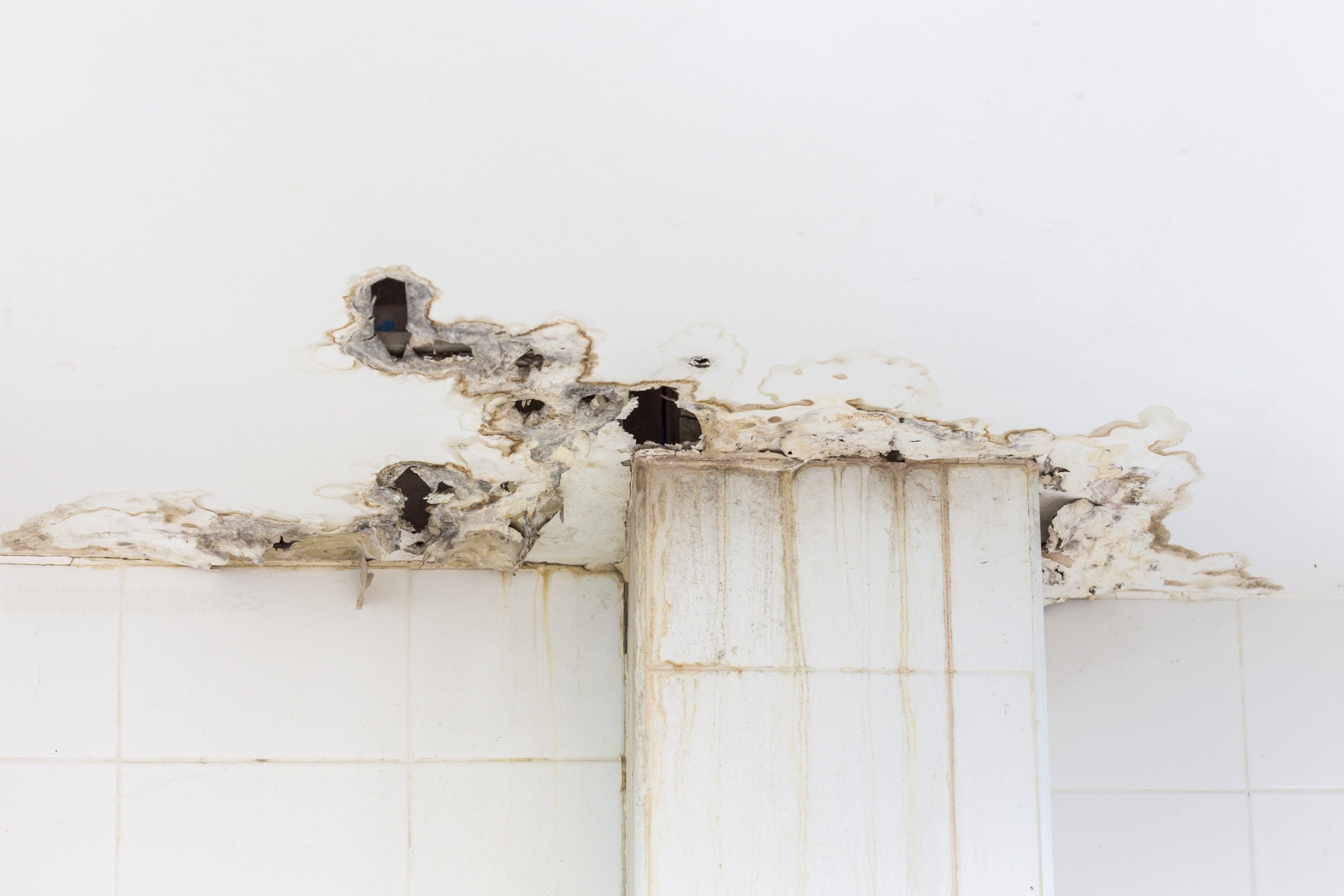
How to Identify and Treat Dry Rot?
As a homeowner, the thought of dealing with any type of structural damage can be overwhelming and frightening. One common issue that many homeowners face is dry rot, which is a type of wood decay caused by fungi. Not only does this problem weaken the structure of your home, but it can also lead to expensive repairs if not addressed in time. In this blog post, we will discuss everything you need to know about identifying and treating dry rot in your home. From understanding what causes it to learning effective treatment methods, our goal is to equip you with the knowledge and tools to combat this dreaded issue and protect your most valuable asset – your home. Introduction to Dry Rot and Its Potential Impact Dry rot, scientifically known as ‘Serpula Lacrymans’, is a silent invader that can wreak havoc on your home’s structure. It is a type of wood-destroying fungus that thrives in damp, poorly ventilated areas, gradually consuming the cellulose and hemicellulose in the timber, causing it to lose its strength and stability. What makes dry rot particularly menacing is its discreet presence. Frequently, the damage is extensive before it comes to the homeowners’ notice. Consequently, a house affected by dry rot can suffer from serious structural problems, including crumbling woodwork, sagging floors or roofs, and in extreme cases, potential collapse. Moreover, the repairs can be financially draining, often involving complete replacement of the affected wood and supplementary treatments to stop future outbreaks. Therefore, prevention and early detection are paramount for homeowners. Recognizing the Signs of Dry Rot Identifying dry rot at an early stage can make a significant difference in mitigation efforts and potential repair costs. The signs can vary, but some common indications of dry rot include: Appearance: Dry rot often starts as a small, fluffy white growth resembling cotton wool. It may darken and take on a mushroom-like form as it matures, with a distinct damp, musty odor. Affected wood tends to darken, crack in a ‘cuboidal’ pattern, and become brittle, often crumbling to the touch. Location: Dry rot can occur in any timber that has become damp and poorly ventilated, but it’s commonly found in areas where water can potentially leak into the home’s structure. It includes window frames, door frames, the timbers of flat roofs, or around pipes that have condensation issues. It can also often be found in hidden areas, such as behind plasterwork, under floorboards, or within roofs and wall cavities. If you observe any of these signs, it’s crucial to consult a professional immediately to evaluate the extent of the problem and start treatment promptly. Possible Causes of Dry Rot Understanding the causes of dry rot is vital for its prevention and treatment. The primary culprits are typically moisture and lack of ventilation, which create an environment conducive to the growth and spread of the dry rot fungus. Here are some common scenarios: 1. Moisture: Dry rot thrives in damp conditions where the moisture content in the wood exceeds 20%. It can be due to a variety of factors such as leaking pipes, damaged roofs or gutters, faulty seals around windows and doors, or even a simple spill that seeped into the woodwork. 2. Poor Ventilation: Timber in areas of the home with poor ventilation can retain moisture, leading to a persistent damp condition ideal for dry rot. These areas may include basements, attics, or any enclosed spaces where air circulation is restricted. 3. Condensation: Homes with poor insulation can often experience condensation on windows, walls, and pipes, especially during colder months. This moisture can seep into the woodwork, providing a perfect breeding ground for dry rot. 4. Lack of Maintenance: Neglecting regular home maintenance tasks, like fixing leaks or ensuring adequate insulation, can inadvertently create a favorable environment for dry rot. The key to preventing dry rot lies in mitigating these causes. Homeowners should be vigilant about addressing any moisture issues promptly, ensuring good ventilation throughout the property, and conducting regular checks and maintenance on their homes. Treating Dry Rot: Step-by-Step Guide Treating dry rot involves a multi-step process requiring particular tools and materials. It is always recommended to get professional help due to the serious nature of the issue. However, if you have identified a minor case and wish to tackle it yourself, here is a guide to help you get started. Materials and Tools Needed: Steps: Remember: This guide is for minor cases only. If you suspect a more extensive problem, please consult a professional. Your home is one of your most significant investments, and it’s worth protecting. Prevention Tips to Avoid Future Occurrences of Dry Rot Protecting your home from dry rot is an ongoing effort that requires vigilance and proper maintenance. Here are some prevention tips to help you avoid future occurrences of dry rot: By following these steps, you can create an inhospitable environment for dry rot, securing the longevity of your home’s structural integrity. Remember, prevention is better than cure, and a little effort now can save you from a lot of trouble later. Conclusion Dealing with dry rot can be a daunting task, but armed with the right knowledge and tools, homeowners can effectively combat this silent invader. Being proactive about regular inspections, addressing leaks promptly, ensuring proper ventilation, and using treated wood can significantly minimize the risk of dry rot. However, if an infestation occurs, it’s crucial to act swiftly, either by following our step-by-step guide for minor cases or by enlisting the help of a professional for more severe situations. The key lies in prevention and early detection, safeguarding your home’s structural integrity, and maintaining its value. Remember, your home is more than a structure; it’s a sanctuary, a space filled with memories, and preserving its health is well worth the effort. About Us Want to get rid of pesky pests and dry rot in your home or business building but don’t know how? Enviro-Care Pest & Termite Control, Inc. is there to help you. Working since 1996

When is It Time To Call A Professional Pest Control Service?
Pests are an inevitable part of our daily lives. From ants invading the kitchen to rodents setting up camp in the attic, it’s not uncommon to encounter these unwanted guests in our homes. While most of us may try to tackle the issue on our own, there comes a time when DIY methods just aren’t enough. In such situations, it becomes essential to call a professional pest control service for help. However, many homeowners may shy away from this idea due to cost or concerns about toxic chemicals being used. But with proper research and understanding, hiring a reputable pest control & termite inspection company in Orange County can save you time and money and provide peace of mind in eliminating pesky pests once and for all. In this blog post, we will explore when is the right time to call a professional pest control service and why it is often the best solution for dealing with pesky household pests. Importance of pest control services and when to consider hiring one Professional pest control services play a crucial role in maintaining a safe, healthy, and pleasant living environment. These services have the expertise, tools, and techniques to effectively eliminate different types of pests, ensuring your home remains pest-free. Not only do they provide immediate relief from current infestations, but they also preventative measures to guard against future invasions. It’s essential to consider hiring a pest control service when your efforts aren’t yielding results, the infestation is large or persistent, or the pests are potentially dangerous, like termites or rats. In such scenarios, the professional approach ensures that the pests are not only removed but also less likely to return, providing you with a long-term solution to your pest problems. Sign #1: Repeated Pest Infestations Despite DIY Efforts One of the most significant indicators that it’s time to call a professional pest control service is when you’re dealing with recurring infestations despite your best DIY efforts. You may have tried numerous over-the-counter products or natural remedies without success. These pests keep returning, causing further damage to your home and potentially affecting your family’s health. Continuous pest invasions can indicate a larger, more entrenched problem that requires professional intervention. A pest control professional has the knowledge and tools to address the root cause and implement a comprehensive solution, ensuring these persistent pests are eliminated for good. Sign #2: Unusual or Severe Damage to Property Caused by Pests Another clear sign that it’s time to bring in the professionals is when you notice unusual or severe property damage attributed to pests. It might include gnawed furniture and electrical wires from rodents, weakened structures from termite infestations, or extensive garden damage caused by pests like beetles or aphids. Such extensive damage indicates a severe infestation that DIY methods may not adequately address. A professional pest control service is equipped to identify the extent of the infestation, the type of pests involved, and the most effective treatment method. By handling the issue promptly and efficiently, they can help prevent further damage, saving you considerable time and resources in the long run. Sign #3: Presence of Dangerous or Venomous Pests, Such as Rodents or Spiders If your home is infested with pests that pose a direct threat to your health, it’s time to call a pest control professional. Dangerous or venomous pests, like certain types of spiders or rodents, can carry diseases or cause harmful allergic reactions. Trying to handle these pests on your own might be ineffective and can put you or your family at risk. Rodents, for example, can carry Hantavirus, Salmonella, and other diseases, while some spiders are venomous and can cause severe reactions if they bite. In such cases, it is imperative to get professional help. Pest control services have the expertise to safely and effectively deal with these dangerous pests, ensuring your home is not only free of pests but also safe for you and your family. Sign #4: Unpleasant Odors or Signs of Mold Caused by Hidden Pest Activity Sometimes, the presence of pests may not be immediately visible, but their activities can lead to unpleasant odors or even signs of mold in your home, indicating a need for professional pest control. Pests like rodents, cockroaches, and certain types of beetles can leave behind droppings and urine, producing a distinct, foul smell. They may also bring in food which eventually rots and adds to the bad odor. Moreover, pests like termites and carpenter ants cause moisture damage that can lead to mold growth, another significant health hazard. If you start noticing strange, persistent odors, or signs of mold, it’s an indicator of hidden pest activity. Professional pest control services possess the skills and equipment to locate the source of these problems, eradicate the infestations, and apply treatments to prevent future pest-induced issues. Sign #5: Health Concerns for You, Your Family, or Your Pets Due to Pests and Their Droppings Pests and their droppings can pose significant health risks to you, your family, and even your pets, necessitating the need for professional pest control. Certain pests like rats, mice, and cockroaches can carry and transmit a range of diseases, including Hantavirus, Salmonella, and various types of parasites. Moreover, their droppings can contaminate food, water, and surfaces, leading to allergies, food poisoning, and other health issues. Pets are equally vulnerable to these health risks. Fleas or ticks, often brought in by rodents, can infest your pets, causing them discomfort and potentially transmitting diseases. If you observe signs of sickness in your household that you believe are linked to a pest problem, it’s crucial to call in a professional pest control service immediately. They can effectively eliminate pests, thoroughly clean and disinfect the affected areas, and provide advice on preventing future infestations, thereby safeguarding the health and well-being of your household. Conclusion In conclusion, hiring a professional pest control service can prove to be a wise investment in preserving the comfort, safety, and value of your home. Despite the initial expense, these
How to Know if You Have Termites: 5 Early Signs to Look For
Do you suspect that your home might be infested with termites? Many homeowners worry about this, and it is understandable; the damages caused by these silent invaders can add up quickly if left undetected. While typical symptoms of certain pests may be visible to the naked eye like webbing from spiders or droppings from rodents, most signs of termite activity are often much more subtle. In this blog post, we’ll cover five early signs that could signal an infestation in your home so you can address the issue as soon as possible. Read on to learn how to identify if termites are living beneath your roof! 1. Damage to Wooden Furniture and Walls The first telltale sign of a termite infestation is damage to wooden structures. Termites, relentless creatures, have an insatiable appetite for cellulose, a key component found in wood. It makes your precious wooden furniture and walls an ideal feast for these tiny invaders. As you inspect your abode, be on the lookout for evidence of their presence. Pay attention to any signs of chewing on your furniture or small piles of wood shavings scattered around the house. Additionally, take note if any part of your beloved wooden belongings feels unusually fragile or emits a hollow sound when tapped. It could be a clear indication that termites have hollowed out the interiors, establishing their hidden colonies. Remember, the damage caused by these stealthy creatures may not always be visible on the surface, so it’s of utmost importance to maintain a vigilant eye for these subtle signs, ensuring the protection of your cherished wooden structures. 2. Termite Droppings The second early warning sign of a termite infestation is the presence of termite droppings, also known as frass. Termites, specifically dry-wood termites, create small piles of sawdust-like material near wooden structures. It is the byproduct of their consumption of wood, expelled from their galleries. Frass often resembles a pile of tiny, six-sided pellets, typically dark brown or black. Discovering this sawdust-like material in your home is a surefire indication of an active termite infestation. It’s essential to clear and monitor these areas regularly for fresh frass deposits as it could signify a nearby termite colony. Paying attention to the color, texture, and quantity of frass can provide additional insights into the extent of the infestation. Lighter-colored or larger frass may indicate a more significant termite presence. Additionally, the presence of termite wings or damaged wood nearby can further confirm the infestation. However, identification of frass and other signs of termite activity can be tricky for an untrained eye. Therefore, it’s always wise to consult a professional pest control service if you stumble upon any suspicious piles near your wooden items. They can conduct a thorough inspection, identify the type of termites involved, and recommend appropriate treatment options to eliminate the infestation effectively. Taking prompt action is crucial to protect your property from further damage caused by these destructive pests. 3. Discarded Wings Another common sign of a termite infestation is finding discarded wings. Termites shed their wings after they have found a new nesting site. If you notice small, delicate wings in corners of your home or near your window sills, it could indicate a termite infestation. Wings from termites are all the same size, unlike ants, whose front wings are noticeably larger than their hind wings. It is an important distinction when identifying the type of infestation you may have. Dead termites may also leave behind wings, serving as a silent testimony of their presence. Remember to consult a pest control professional if you discover discarded wings or any other signs of termite activity in your house. They can provide a comprehensive inspection and offer effective remedies to safeguard your home against these destructive intruders. 4. Mud Tubes A crucial sign of termite activity is the presence of mud tubes. Subterranean termites, the most destructive species, build these earthy tunnels as a means of travel between their underground colonies and food sources above ground. These tubes provide a moist, protective environment that shields termites from predators and the outside elements, thereby allowing them to transport food effectively. If you find pencil-sized mud tubes on your foundation walls, wooden beams, crawl spaces, or other surfaces close to damp soil, it’s a strong indication of a termite infestation. These tubes may look like thin, muddy trails and often run vertically on the structures. It’s worth noting that an empty tube doesn’t necessarily mean termites have vacated your premises; they often abandon one tube to build another. As with all other signs, if you spot mud tubes in and around your home, it’s best to contact a pest control professional immediately. They can thoroughly inspect these tubes, determine the extent of the infestation, and take necessary action to eliminate these destructive pests. 5. Swarming Termites One of the most visible signs of a termite infestation is the presence of swarming termites. These are mature termites that have left their colony to establish a new one. Termite swarms often occur during warm, humid weather and are most common in the spring. Swarming termites are attracted to light, so you may be more likely to spot them around windows, doors, or light fixtures. If you see a termite swarm in or around your home, it’s a clear signal that a termite colony is nearby. More alarming is that for every swarm you see, there may be more that you don’t. Swarming is the termite’s way of spreading and starting new colonies, so the presence of swarming termites is a serious indication of an infestation. It’s essential to contact a professional pest control service immediately if you spot flying termites. They can assess the situation and develop a plan to address the infestation before it causes significant damage to your property. Summing Up! To protect your home from future termite infestations, act quickly if you suspect a problem. Inspect any damage to wooden furniture or walls, and be alert for termite droppings, discarded wings,